Department stores face a high-stakes holiday season as a critical test of their long-term viability

The traditional department store has long been the crown jewel of the American holiday shopping experience, serving as a beacon of festive cheer, window displays, and one-stop gift solutions. However, as the 2026 "golden quarter" commences, the sector stands at a precarious crossroads. While industry analysts from Simon-Kucher’s 2026 Holiday Shopping Report suggest that these retailers remain top-of-mind destinations for seasonal browsing, the reality behind the tinsel is stark. For three major players—Kohl’s, J.C. Penney, and the newly reorganized Exemplar Luxury Group (formerly Saks Global)—this holiday season is not merely about beating last year’s revenue; it is a fundamental test of their survival strategies in an era of shifting consumer habits and aggressive digital competition.
A Sector in Flux: The Historical Context
The department store model has been under siege for nearly two decades. The rise of e-commerce, the dominance of off-price retailers like T.J. Maxx, and the shifting preferences of younger demographics have forced a painful period of introspection. While some players, such as Dillard’s, have leaned into retail fundamentals to maintain steady market share, and others like Bloomingdale’s have successfully pivoted toward a high-end, experiential model, the rest of the pack is struggling to find a sustainable identity.
Michael Appel, president of Appel Associates, notes that while the department store format remains vibrant in international markets, the U.S. landscape is cluttered with aging infrastructure and identity crises. The challenge for legacy retailers today is twofold: they must simultaneously renovate their physical footprint to attract foot traffic while optimizing their digital supply chains to compete with agile online marketplaces.
Kohl’s: The Challenge of the Middle Market
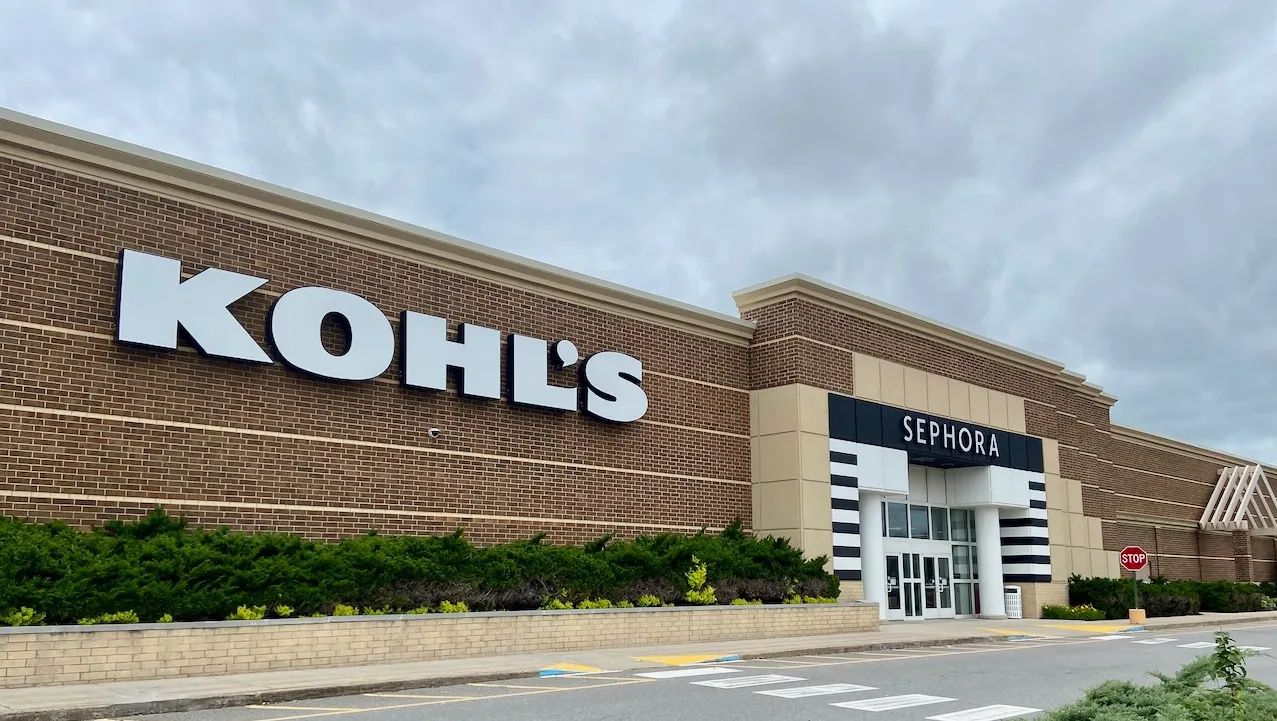
Kohl’s enters the 2026 holiday season with a cloud of uncertainty hanging over its corporate headquarters. After a multiyear turnaround strategy has failed to yield the expected dividends, the retailer finds itself in a defensive position. Last year, the company saw its Q4 net sales slide by 4%, a trend that has persisted throughout the current fiscal year.

The company’s recent history is marked by a significant reliance on the "Sephora effect"—the strategy of installing high-performing beauty shop-in-shops to lure younger, affluent shoppers into the store. While this initiative initially drove foot traffic, the bloom has arguably come off the rose, with Sephora shop-in-shops reporting sales declines for two consecutive quarters.
To address these systemic issues, Kohl’s recently appointed Ryan Waymire, a veteran of Walmart, Wayfair, and Target, as its new chief merchant. His mandate is clear: revitalize the product mix to provide a compelling reason for middle- and lower-income shoppers to bypass mass merchants and off-price competitors. According to Glenn McMahon, a partner at MAC Advisory and Consulting, Kohl’s must demonstrate an immediate stabilization in comparable sales and gross margins. Failure to show meaningful growth this quarter could force the board to consider more drastic restructuring, potentially including store footprint reductions or a pivot away from its current department store configuration.
J.C. Penney: Navigating the Mall Economy
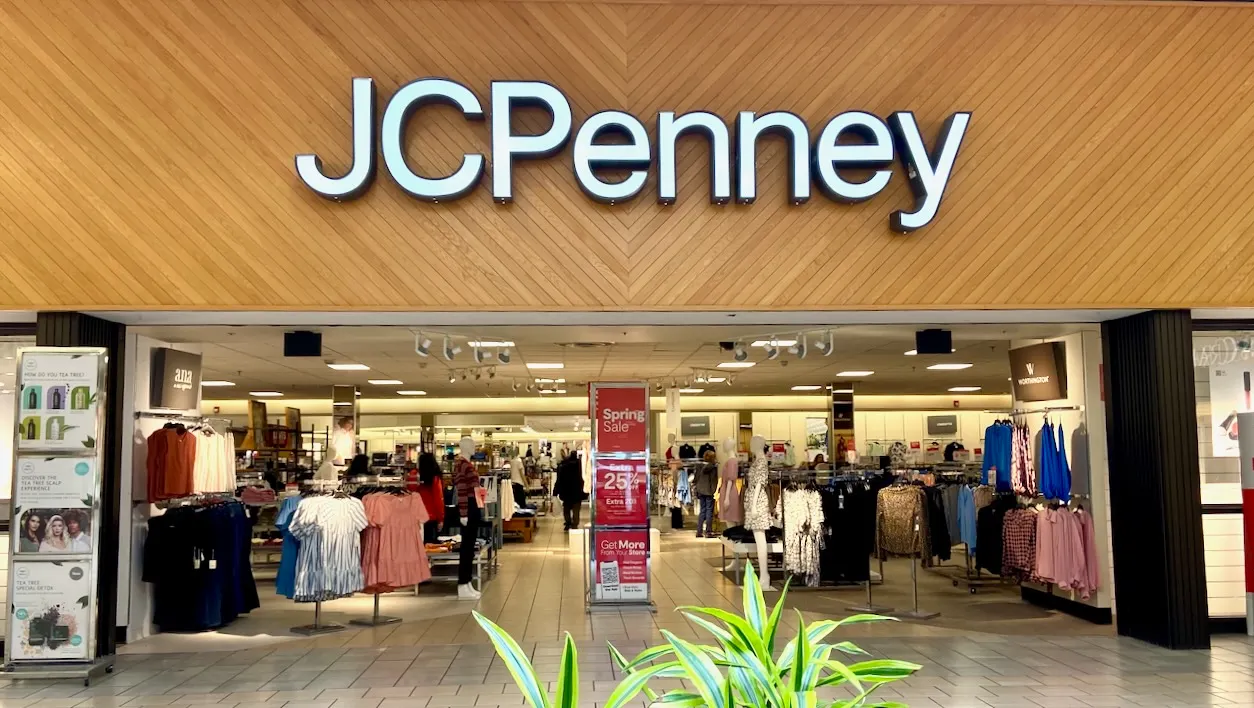
J.C. Penney’s trajectory remains one of the most closely watched narratives in retail. After a brief period of optimism in 2025, the retailer stumbled in Q4, with net sales dropping 8%. These struggles have persisted into 2026, leading to a continued loss of market share.
The retailer’s situation is unique due to its ownership structure. Since its acquisition out of bankruptcy in 2020 by Simon Property Group and Brookfield (formerly GGP), J.C. Penney has functioned as a cornerstone for many regional malls. The landlords have a vested interest in keeping the lights on; the closure of a major anchor store like J.C. Penney would not only cause a revenue void but could trigger "co-tenancy" clauses in other tenants’ leases, allowing them to exit their agreements or reduce rent.
Despite this "protected" status, financial analysts warn that this is not a long-term business strategy. Fitch Ratings’ senior director David Silverman suggests that J.C. Penney must prove that its core categories—apparel, home goods, and beauty—can generate profit without relying on the cycle of deep, brand-eroding discounts. If the retailer cannot improve its cash flow during the holiday peak, it faces the risk of becoming an empty shell, preserved only by real estate necessity rather than consumer demand.
Exemplar Luxury Group: The Post-Bankruptcy Gamble
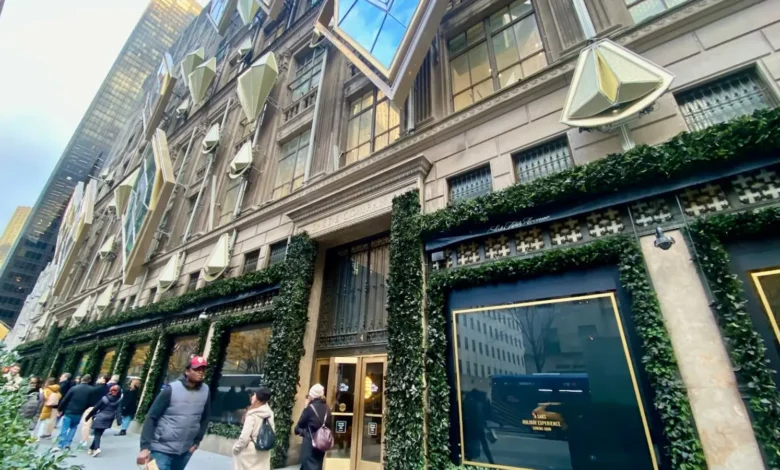
Perhaps the most dramatic story this year is that of Exemplar Luxury Group, the parent company of Saks Fifth Avenue and Neiman Marcus, which emerged from Chapter 11 bankruptcy earlier in 2026. The restructuring was intended to shed the heavy debt load—now reduced to under $1 billion—that had crippled the luxury retailer’s ability to maintain its inventory and vendor relationships.
However, the company’s post-bankruptcy path has been criticized for its lack of cohesion. The reduction of the Saks full-line fleet to just 15 stores has led to concerns regarding the brand’s national presence. The decision to close prominent locations, such as the storied Michigan Avenue store in Chicago, has sparked debate among analysts. Appel argues that closing iconic locations in favor of focusing solely on the Manhattan flagship is a short-sighted strategy that ignores the specific demands of regional luxury consumers.
Furthermore, the integration of Saks and Neiman Marcus under the same buying team has raised eyebrows. Critics argue that by treating these two distinct brands with a single, consolidated operational strategy, Exemplar risks diluting the prestige that made both brands successful in the first place. For the 2026 holidays, all eyes are on whether Exemplar can re-engage high-end shoppers who have drifted toward competitors like Nordstrom and Bloomingdale’s during the company’s turbulent bankruptcy process.
Broader Implications and Market Outlook
The performance of these three retailers will offer a barometer for the broader U.S. economy. If Kohl’s, J.C. Penney, and Exemplar struggle to convert holiday traffic into profitable sales, it may signal a deeper bifurcation in the retail sector.
Data from the past year suggests that "aspirational luxury" shoppers have largely pulled back from the market, impacted by macroeconomic pressures and a general cooling of the discretionary goods sector. For the mass-market department stores, the competition is even fiercer, as shoppers demonstrate an increased preference for the convenience of online retail and the value proposition of off-price chains.
The "golden quarter" is not just a seasonal sprint; for these companies, it is a definitive audit. Industry experts suggest that the following metrics will be the primary indicators of health moving forward:
- Gross Margin Stability: Can these retailers avoid the "markdown trap" that plagued them in 2025?
- Inventory Turnover: Are they stocking products that align with current consumer trends, or are they sitting on obsolete inventory?
- Cash Generation: Can these firms generate enough liquidity to fund necessary capital improvements for 2027?
As the calendar turns toward December, the narrative surrounding the department store is shifting from one of nostalgia to one of necessity. The retailers that can successfully marry their physical presence with a robust, data-driven customer experience will likely survive. Those that continue to rely on legacy models and stagnant merchandising strategies may find that the 2026 holiday season is their final opportunity to prove their relevance in a rapidly modernizing retail ecosystem.
The coming weeks will determine which of these giants can weather the storm and which will succumb to the realities of a changing marketplace. Whether through radical operational shifts, new leadership mandates, or a desperate push for market share, the retail industry remains in a state of high alert. For investors, employees, and consumers alike, the results of this holiday season will serve as the definitive verdict on the future of the American department store.
Related posts: